- By Charlotte Brown
- June 16, 2026
Creating a memorable mignardise program isn't easy. Pastry teams are under constant pressure to deliver something that feels distinctive, aligns with the restaurant's culinary identity, and can be executed consistently night after night.
That's why many chefs are turning to artisanal bonbons. When thoughtfully selected, a bonbon becomes more than a small chocolate—it becomes a final expression of the menu's creativity. The snap of a perfectly tempered shell, the progression of flavors within the ganache, and the lingering finish all contribute to a guest's lasting impression of the meal.
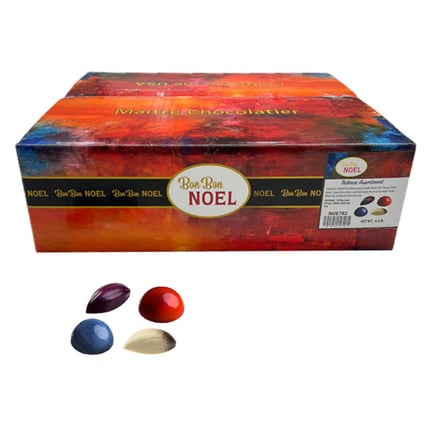
The challenge, of course, is finding products that deliver both craftsmanship and consistency. The Cacao Noel Tribeca Bonbon Assortment was developed with professional pastry programs in mind, offering four distinctive flavor profiles that help chefs build memorable tasting experiences without sacrificing execution.
Quick Answer: How Do You Pair Artisanal Bonbons?Successful chocolate pairings typically follow one of three approaches:
Artisanal bonbons work particularly well in:
|
What Is an Artisanal Bonbon?
The word bonbon is often used broadly, but in a professional context, it refers to a molded or enrobed chocolate shell that surrounds a carefully crafted filling, such as ganache, caramel, praline, or fruit gelée.
What distinguishes an artisanal bonbon from commodity chocolate isn't simply the quality of the ingredients. It's the precision of its construction.
A well-made bonbon is engineered in three stages:
1. The Shell
Provides the initial snap, texture, and aromatic release.
2. The Filling
Delivers the primary flavor and texture experience.
3. The Finish
Determines how flavors evolve, linger, and fade on the palate.
The ratio of shell to filling, the ganache's viscosity, and the balance among sweetness, fat, acidity, and aromatics all influence the final experience.
When executed well, an artisanal bonbon becomes more than a confection—it becomes a complete sensory experience.
Principles of Successful Chocolate Pairings
Before selecting pairings, it helps to understand the key elements pastry chefs evaluate when building dessert experiences around gourmet chocolate bonbons.
Sweetness
Balancing sweetness prevents one component from overpowering another. Pairings should create harmony rather than competition.
Acidity
Fruit, wine, coffee, and tea can brighten chocolate's richness and add complexity.
Aromatics
Floral, herbal, spice, and fruit notes become more expressive when paired with complementary ingredients.
Texture
Creamy, crisp, crunchy, and smooth components all affect how flavors are perceived and remembered.
Understanding these principles allows pastry chefs to create pairings that feel intentional rather than accidental.
Tribeca Bonbon Pairing Guide at a Glance
|
Bonbon Flavor |
Dessert Pairings |
Beverage Pairings |
|
White Chocolate Vanilla |
Citrus tart, panna cotta, passion fruit entremet |
Sauternes, Ethiopian coffee |
|
Brown Sugar Cinnamon |
Pear tart, apple galette, brown butter desserts |
Amontillado Sherry, chai |
|
Blackcurrant Violet Flower |
Cassis desserts, vanilla cream, cherry preparations |
Crémant d'Alsace, hibiscus shrub |
|
Honey Lavender |
Cheesecake, crème brûlée, honey desserts |
Earl Grey tea, rosé, mead |
The Tribeca Collection: A Flavor-by-Flavor Pairing Guide
Each bonbon in the Tribeca collection offers a distinct flavor profile and pairing opportunity.
Brown Sugar Cinnamon
Flavor Profile:
This bonbon evokes the flavors of slow-caramelized brown sugar rather than overt sweetness. Notes of toffee, baked pastry, and warm cinnamon unfold gradually, creating a profile that feels closer to a freshly baked tart than a traditional cinnamon candy. The chocolate shell provides structure and depth while the ganache delivers a rich, lingering finish.
What It Pairs With:
Plated Desserts
- Roasted pear tart with brown butter frangipane
- Warm apple galette
- Caramelized stone fruit desserts
- Brown butter cake
Beverage Pairings
- Amontillado Sherry
- Spiced chai
- Bourbon-forward cocktails
Cheese Course Applications
- Aged Gouda
- Firm sheep's milk cheeses
Mignardise Programs
Position early in a sequence because its approachable flavor profile prepares guests for more complex flavor combinations.
Blackcurrant Violet Flower
Flavor Profile:
The experience begins with bright blackcurrant acidity before delicate violet notes emerge across the palate. The floral character is subtle rather than perfumed, adding elegance and lift to the fruit's natural tartness. The result is a layered flavor progression that feels vibrant, aromatic, and unexpectedly complex.
What It Pairs With:
Plated Desserts
- Dark chocolate tart with cassis coulis
- Vanilla Bavarian cream
- Cherry compote
- Berry-focused plated desserts
Beverage Pairings
- Crémant d'Alsace
- Dry Lambic
- Hibiscus shrub
- Floral kombucha
Tasting Menu Applications
This flavor works particularly well as a standalone moment within a tasting menu due to its dramatic flavor contrast and complexity.
Seasonal Menus
Excellent for spring and summer programs featuring berries, florals, and lighter flavor profiles.
White Chocolate Vanilla
Flavor Profile:
Creamy dairy notes and gentle cocoa butter richness form the foundation, while vanilla adds warm, aromatic depth reminiscent of pastry cream and freshly baked custard.
What It Pairs With:
Plated Desserts
- Meyer lemon tart
- Yuzu panna cotta
- Passion fruit entremet
- Citrus-forward desserts
Beverage Pairings
- Sauternes
- Barsac
- Ethiopian espresso
- Vanilla-forward coffee preparations
Hotel and Amenity Programs
Its broad appeal makes it particularly effective for:
- VIP amenities
- Turndown service
- Gift boxes
- Retail offerings
Banquet Applications
Functions as an approachable anchor within larger dessert assortments.
Honey Lavender
Flavor profile:
Honey Lavender balances floral and sweet elements. The honey delivers rounded sweetness and subtle complexity, while the lavender appears as a clean aromatic finish rather than a dominant botanical note. This balance makes the bonbon particularly effective at the end of a tasting sequence, where overly aggressive flavors can overwhelm the palate.
What It Pairs With:
Plated Desserts
- Ricotta cheesecake with honey
- Lavender crème brûlée
- Honey panna cotta
- Thyme-infused desserts
Beverage Pairings
- Provençal rosé
- Earl Grey tea
- Darjeeling tea
- Mead
Wellness Hospitality Applications
Honey Lavender is particularly suited for:
- Afternoon tea programs
- Spa amenities
- Resort hospitality
- Wellness-focused experiences
Mignardise Placement
Serve last in a sequence to leave guests with a soft, aromatic finish.
Unexpected Pairing Opportunity: Cheese Courses and Bonbons
While bonbons are traditionally associated with dessert service, they can also play a role in modern cheese courses.
Brown Sugar Cinnamon pairs particularly well with aged Gouda and firm sheep's milk cheeses because their nutty, caramelized notes reinforce the bonbon's warm spice profile.
Blackcurrant Violet Flower offers a contrasting approach, providing brightness and acidity that complement richer, creamier cheeses.
For restaurants looking to create a more distinctive cheese presentation, a thoughtfully selected bonbon can bridge the gap between savory and sweet while adding an element of surprise.
Building a Curated Chocolate Flight with the Tribeca Assortment
One of the strengths of the Tribeca assortment is that the four flavors were selected to create a natural progression. Rather than presenting four unrelated chocolates, the collection guides guests through familiar, warm, bright, and floral flavor experiences.
This built-in structure makes it particularly useful for tasting menus, chef's counters, and luxury hospitality programs where narrative matters as much as flavor.
Recommended Flight Sequence:
1. White Chocolate Vanilla
- Familiar and welcoming
- Opens the palate
2. Brown Sugar Cinnamon
- Introduces warmth and spice
- Builds complexity
3. Blackcurrant Violet Flower
- Adds contrast and brightness
- Provides the flight's most dramatic shift
4. Honey Lavender
- Delivers a gentle aromatic finish
- Creates a memorable closing impression
This structure mirrors the flow of a well-designed tasting menu: approachable, evolving, surprising, and satisfying.
For tasting menus and chocolate flights, consider providing guests with tasting cards or brief service notes to increase engagement and perceived value.
Practical Applications for Gourmet Chocolate Bonbons
Fine Dining Restaurants
- Mignardise service
- Tasting menu finales
- Pre-dessert courses
- Wine pairing dinners
Hotels and Resorts
- VIP guest amenities
- Turndown gifts
- Executive lounge offerings
- Seasonal welcome gifts
Catering and Banquet Programs
- Luxury weddings
- Corporate gifting
- Plated dessert service
- Hospitality events
Retail and Specialty Food Programs
- Curated gift boxes
- Seasonal collections
- Boutique pastry retail
- Holiday merchandising
Frequently Asked Questions About Artisanal Bonbons
How should bonbons be stored in a professional kitchen?
Bonbons should be stored in a cool, dry environment away from direct sunlight and strong odors. Avoid refrigeration whenever possible, as temperature fluctuations can affect texture and appearance.
Can bonbons be plated in advance?
Yes. Bonbons are often incorporated into mignardise service and tasting-menu presentations ahead of service. Proper storage helps preserve the shell's appearance and texture until plating.
How many bonbons should be served as part of a mignardise program?
Most restaurants serve one to three pieces, depending on the complexity of the overall dessert experience and the role the bonbons play within the menu.
What makes artisanal bonbons different from standard chocolate assortments?
Artisanal bonbons are designed around carefully balanced flavor profiles, premium ingredients, and precise construction. The interaction between shell, filling, texture, and finish creates a more sophisticated tasting experience.
How can bonbons increase perceived value in hospitality settings?
Because they combine visual appeal, craftsmanship, and flavor complexity in a small format, bonbons can elevate tasting menus, guest amenities, banquet service, and retail offerings while creating a memorable final touch.
Elevate Dessert Your Service with Cacao Noel
In today's hospitality environment, guests expect more than a sweet ending—they expect an experience. The Cacao Noel Tribeca Bonbon Assortment helps pastry teams deliver that experience consistently through thoughtfully developed flavor profiles, polished presentation, and versatile pairing potential.
Whether incorporated into a mignardise program, a luxury hotel amenity, a cheese course, or a curated chocolate flight, these artisanal bonbons provide chefs with a practical way to add craftsmanship, storytelling, and memorable flavor to the final moments of service.
Explore the Cacao Noel collection through Paris Gourmet and discover how premium chocolate can transform the guest experience from the last course to the final bite.