- By Charlotte Brown
- March 11, 2026
Cocoa powder is not simply a flavoring ingredient. It influences structure, color, moisture retention, and chemical reactions within a formula. The type of cocoa used can determine whether a cake rises properly, whether a mousse sets to the right texture, and whether a glaze achieves the desired color depth.
Dutch-processed cocoa powder is a technical ingredient. It directly affects pH balance, leavening behavior, and overall production performance.
Understanding how alkalized cocoa powder functions allows pastry chefs to control results with precision, especially in high-volume environments where consistency is non-negotiable.
This guide explores the functional differences between natural and Dutch-process cocoa, how alkalization impacts pastry applications, and why many professionals rely on Dutch-process cocoa powder for refined, repeatable outcomes.
What Is Dutch-Processed Cocoa Powder?
Dutch-processed cocoa powder (also called alkalized cocoa powder) is cocoa that has been treated with an alkaline solution to neutralize its natural acidity.
The Alkalization Process
During processing, cocoa solids are treated with an alkaline agent. This raises the pH level of the cocoa, reducing acidity and altering flavor, color, and functionality.
Dutch-Process vs. Natural Cocoa Powder
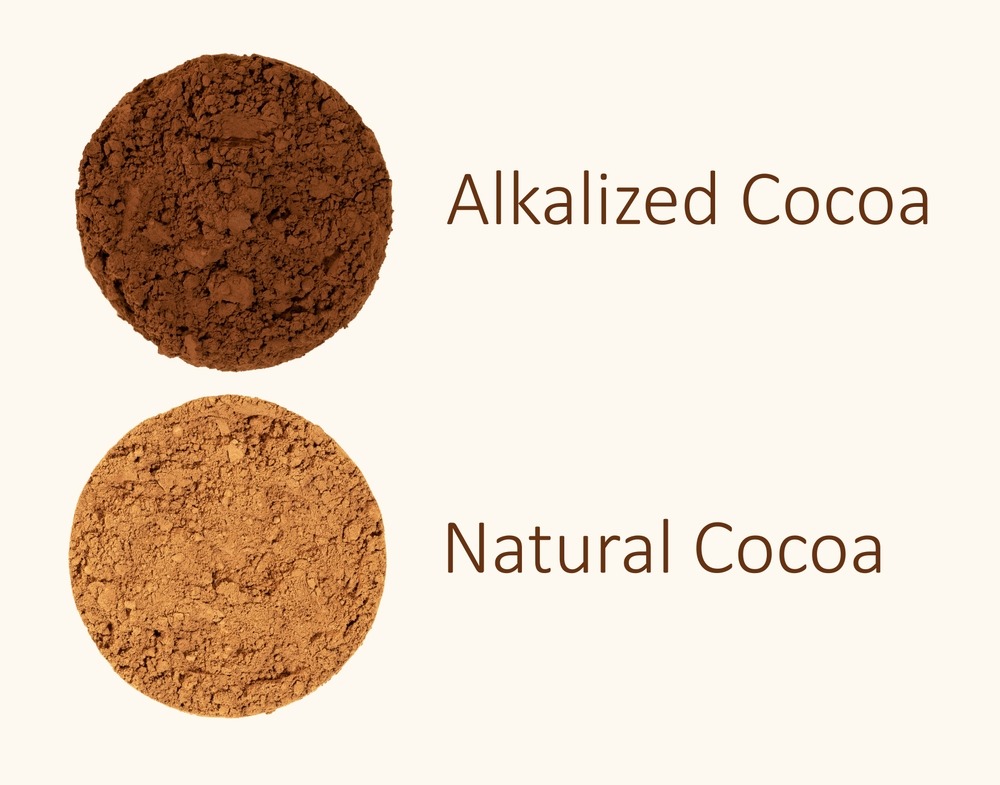
The differences between natural and Dutch-processed cocoa powder are significant in professional baking applications:
|
Characteristic |
Natural Cocoa Powder |
Dutch Processed Cocoa Powder |
|
pH Level |
Acidic (approx. 5–6) |
Neutral to slightly alkaline (approx. 6.8–8) |
|
Flavor Profile |
Sharper, more acidic |
Smoother, rounder, less bitter |
|
Color |
Lighter reddish-brown |
Darker brown to deep mahogany |
|
Reactivity |
Reacts with baking soda |
Typically paired with baking powder |
Note: Because alkalized cocoa powder has a higher pH, it does not provide the acidity required to activate baking soda. This difference directly impacts the leavening strategy and final structure.
Alkalized Cocoa Powder and pH: Why It Matters in Pastry Formulation
pH plays a critical role in baking. It influences gluten development, protein interaction, starch gelatinization, and chemical leavening reactions.
When working with Dutch-processed cocoa powder, understanding pH allows chefs to control chemical leavening, influence gluten and protein structure, and improve moisture retention.
Control Chemical Leavening:
Natural cocoa’s acidity reacts with baking soda to create carbon dioxide.
Since alkalized cocoa powder reduces acidity, formulas that use it typically rely on baking powder instead. Substituting one cocoa for another without adjusting leavening agents can result in poor rise or structural collapse.
Influence Gluten and Protein Structure:
Alkaline environments can affect gluten strength and protein behavior, influencing crumb texture.
In cakes and sponge bases, this can mean the difference between a tender, uniform crumb and one that is tight or uneven.
Improve Moisture Retention:
Alkalized cocoa powder often disperses more evenly in batters, improving moisture distribution. This is particularly important in high-ratio cakes and brownie formulas.
For executive pastry chefs scaling recipes across multiple locations or production shifts, controlling pH is essential for repeatability.
Flavor Profile of Dutch Alkalized Cocoa Powder: Balanced Chocolate Depth Without Excess Acidity
One of the primary reasons chefs prefer Dutch-processed cocoa powder is its refined flavor profile.
Alkalization softens bitterness and reduces sharp acidic notes. The result is a smoother, rounder chocolate flavor with greater depth.
This balanced profile performs well in an array of desserts, including:
- Layer cakes
- Sponge bases
- Chocolate cookies
- Mousses
- Glazes
In applications where cocoa is the dominant flavor, excessive acidity can distract from overall balance. Alkalized cocoa powder allows the chocolate character to remain present without overwhelming sweetness or competing with other ingredients.
For plated desserts and retail pastry programs, that refinement matters.

Color Impact of Dutch-Processed Cocoa Powder: Visual Consistency and Plate Presentation
Color consistency is a critical—but often underestimated—factor in professional pastry production.
Dutch processing deepens cocoa’s natural hue, producing rich brown to mahogany tones. This enhanced color complements many baked goods, such as:
- Sponge cakes
- Viennoiserie fillings
- Ganaches
- Mirror glazes
In high-end pastry environments, visual uniformity reinforces brand standards. A cake layer that varies in shade from batch to batch signals inconsistency. Alkalized cocoa powder provides a deeper, more predictable color profile that supports both aesthetic and operational standards.
For chefs producing hundreds of portions daily, visual reliability is as important as flavor.
Structure & Leavening of Cocoa Powder: Natural vs. Dutch-Process in Professional Recipes
Understanding when to use natural cocoa powder vs. Dutch-processed cocoa powder is fundamental in recipe development.
When to Use Natural Cocoa:
- Formulas relying on baking soda for leavening
- Applications where acidity contributes to flavor brightness
When to Use Dutch-Processed Cocoa Powder:
- Recipes formulated with baking powder
- Applications where a smooth, mellow chocolate flavor is preferred
- Products requiring a darker color and visual depth
Substituting one cocoa powder for the other without adjustment can lead to:
- Dense crumb
- Poor rise
- Imbalanced flavor
In scaled production, even small deviations in pH can produce noticeable variation. Best practice is to develop and standardize recipes around a specific cocoa type—and maintain that specification consistently.
High-Volume Production: Consistency in Cocoa Powder as a Non-Negotiable
In professional pastry kitchens, ingredient variability translates into production variability.
Large-scale operations depend on three variables when it comes to cocoa powder:
- Uniform fat content (22–24%)
- Controlled alkalization
- Reliable dispersion in batters and emulsions
Even minor inconsistencies in cocoa processing can affect structure, mouthfeel, and color. When production schedules are tight and output volume is high, chefs require ingredients that perform predictably from batch to batch.
Consistent cocoa powder reduces the need for formula adjustments and protects product integrity across multiple production runs.
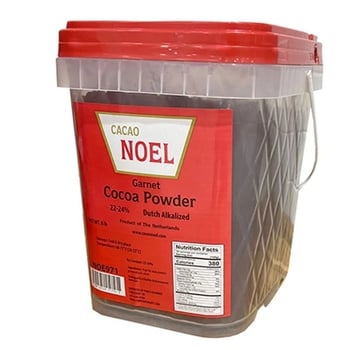
Featured Product: Cacao Noel Garnet Cocoa Powder (22–24%)
Cacao Noel Garnet Cocoa Powder is a Dutch-processed alkalized cocoa powder designed for professional pastry applications.
With a 22–24% fat content, it delivers optimal richness and mouthfeel while maintaining reliable performance in both small-batch and large-scale production.
Garnet Cocoa Powder provides:
- Deep, uniform color
- Balanced chocolate profile
- Reliable structure in cakes and cookies
- Smooth incorporation into mousses and glazes
For executive pastry chefs seeking refined, repeatable results, Garnet Cocoa Powder serves as a dependable foundation for professional chocolate applications.
Ready To Invest in a Technical Ingredient with a Creative Impact?
Cacao Noel Garnet Cocoa Powder provides the depth, visual richness, and technical reliability that today’s pastry kitchens require.
Elevate your formulations with a Dutch-processed cocoa powder designed for repeatable excellence—and ensure every cake layer, mousse, and glaze reflects the standard your kitchen is known for.